





Ransomware is a type of malicious software designed to block access to computer systems until a sum of money is paid. The impact on both organizations and individuals can be devastating—resulting in financial loss, data breaches, and severe operational disruptions. Amid this digital menace, the LockBit ransomware operation has emerged as a prominent threat, leveraging its ransomware-as-a-service model to perpetrate widespread cyber-attacks.
In a decisive move against this cybercriminal enterprise, law enforcement authorities have recently conducted a targeted operation that led to multiple arrests and the seizure of critical infrastructure associated with LockBit ransomware. These actions signal a robust global crackdown on one of the most notorious ransomware operations to date.
Understanding LockBit Ransomware and How It Works
LockBit ransomware is a dangerous type of malware that has gained significant attention due to its advanced techniques and devastating impact on victims. In this section, we will explore the key characteristics of LockBit’s operations and how it has become one of the most prominent ransomware families in recent years.
The Global Effort to Dismantle LockBit Ransomware
The takedown of LockBit ransomware is a testament to the power of joint international operations. Teams from the United States, the United Kingdom, Europe, and beyond have converged in a concerted effort to disrupt one of the most insidious cyber threats. This collaboration among law enforcement agencies signals a new era in the fight against cybercrime, illustrating that unity can lead to significant victories against global threats.
Arrests Made
In an unprecedented sweep, authorities apprehended key figures involved with LockBit ransomware. These arrests unfolded across multiple jurisdictions:
- Poland: A pivotal LockBit actor was arrested, suspected of being instrumental in orchestrating attacks.
- Ukraine: Another core member faced apprehension, believed to have played a critical role in developing the ransomware’s infrastructure.
- United States: Two affiliates were charged, accused of perpetuating the spread of LockBit and monetizing its malicious activities.
These arrests disrupted not just individual lives but an entire ecosystem that thrived on digital extortion. The individuals now face charges that underscore their alleged contributions to a sprawling criminal network.
Seizure of Infrastructure

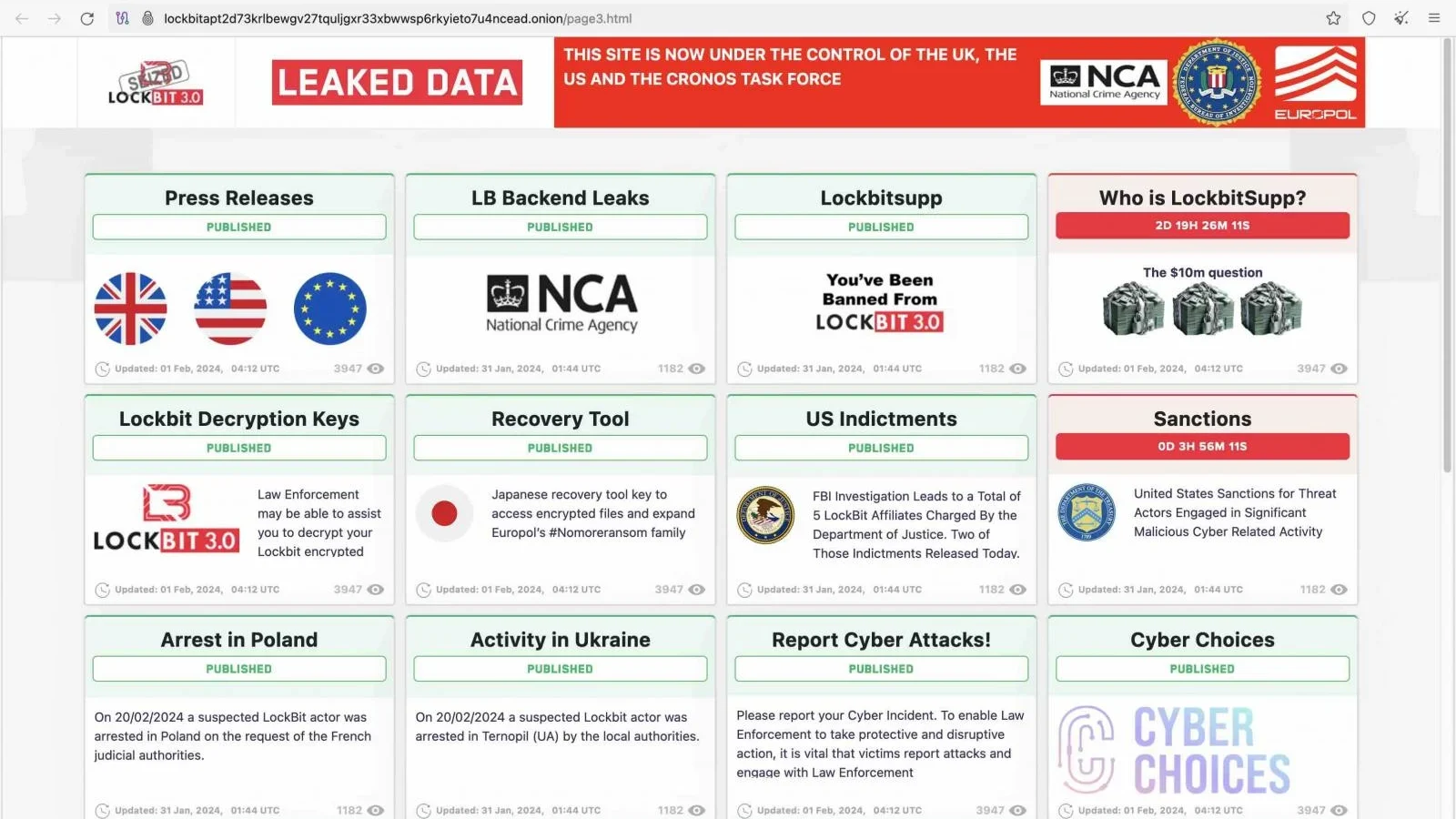
Law enforcement’s strategic operations led to significant material seizures:
- Public Website Takedown: The official website that served as the facade for LockBit’s operations was dismantled.
- Server Seizures: Multiple servers across various countries were seized, cutting off vital nodes in LockBit’s infrastructure.
- Evidence Acquisition: Authorities gained access to a treasure trove of evidence including source code for the malware and numerous decryption keys.
Such achievements are critical in dismantling not just the digital front but also the backend mechanisms that enable ransomware groups to thrive.
We have source code, details of the victims you have attacked, the amount of money extorted, the data stolen, chats, and much, much more.
We may be in touch with you very soon. Have a nice day. Regards, The National Crime Agency of the U.K., the FBI, Europol, and the Operation Cronos Law Enforcement Task Force.
Disruption of Operations
The strategy employed by law enforcement agencies was multi-faceted:
- Strategic Hits: By targeting specific assets such as servers and domains, authorities crippled the communication and coordination capabilities of LockBit.
- Data Recovery: The recovery of source code provided insights into the functionality and potential vulnerabilities within LockBit’s software.
- Decryption Keys: Obtaining decryption keys was akin to finding a master key to unlock the data that had been held hostage by LockBit.
This multifaceted approach ensured that LockBit’s ability to operate and infect new systems was severely hampered.
By seizing control over key assets and arresting central figures, this joint operation struck at both the heart and the veins of LockBit ransomware. The impact resonates beyond immediate disruptions; it serves as a warning shot across the bow of cybercriminal syndicates worldwide. As organizations globally brace for potential retaliatory cyberattacks from fragmented remnants of ransomware groups or new emerging threats, they must fortify their defenses.
Impact on Targeted Organizations and Ongoing Mitigation Efforts
The financial and reputational toll on companies targeted by LockBit ransomware can be staggering. Take, for instance, Bank of America, Boeing, and Royal Mail—high-profile entities that have experienced LockBit’s malicious activities firsthand. Each case study reveals a pattern of significant disruption:
Case Study 1: Bank of America
Dealing with sensitive financial information, the bank faced immense pressure to resolve the ransomware attack swiftly to protect customer data and maintain trust in their security measures.
Case Study 2: Boeing
As an aerospace giant, Boeing not only faced financial losses but also potential risks to national security and industry-wide supply chain disruptions.
Case Study 3: Royal Mail
With its essential communication services compromised, Royal Mail had to navigate both operational paralysis and the erosion of public confidence.
These case studies illustrate not just the immediate costs associated with paying ransoms but also the long-term implications such as regulatory fines, legal fees, loss of business, and damage to brand reputation.
Ongoing Mitigation Efforts
In response to the escalating threat of ransomware, organizations are recognizing the need for comprehensive cybersecurity strategies. Preventative measures against ransomware include:
- Regular Backups: Essential for ensuring that organizations can restore their data without paying a ransom.
- Employee Awareness Training: Equips staff with the knowledge to identify and avoid potential threats like phishing emails which are common entry points for ransomware.
By adopting these protective actions along with advanced solutions such as endpoint protection and network monitoring tools, entities can enhance their resilience against future ransomware attacks. The emphasis is on creating a multi-layered defense system that not only prevents attacks but also minimizes the impact should a breach occur.
As businesses grapple with these challenges, it is evident that proactive defense is key. Through strategic investment in security infrastructure and cultivating a culture of cyber awareness, organizations stand a better chance at deflecting the advances of sophisticated ransomware operations like LockBit.
Collaborative Approach: Law Enforcement and Security Industry

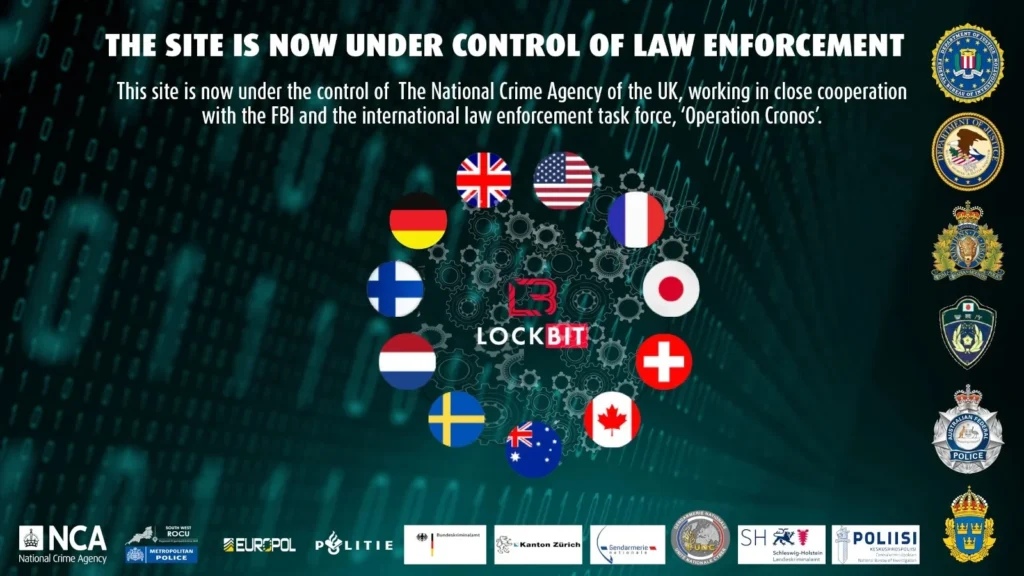
Ransomware threats like LockBit are not just a problem for law enforcement to solve. It requires an all-hands-on-deck approach that also involves the expertise of cybersecurity firms. With this combined effort, significant strides have been made in the fight against these digital predators.
Recovery of Decryption Keys
One remarkable achievement has been the recovery of a large number of decryption keys. These keys, which were used by LockBit to lock victims’ files until a ransom was paid, were successfully recovered through the joint efforts of law enforcement agencies and cybersecurity firms. The recovery wasn’t a simple affair; it involved meticulous digital forensics and advanced decryption techniques to wrestle these keys from the hands of LockBit operatives.
As part of Operation Cronos, law enforcement also retrieved over 1,000 decryption keys from the seized LockBit servers. Using these decryption keys, the Japanese Police, the NCA, and the Federal Bureau of Investigation (FBI) developed a LockBit 3.0 Black Ransomware decryption tool with Europol’s support.
This free decryptor is now available via the ‘No More Ransom’ portal. BleepingComputer contacted Europol to learn if the decryptor only helps LockBit victims after a certain date, but a response was not immediately available.
At this time, it is unknown how much cryptocurrency was stored in the 200 seized wallets. However, it may be possible for victims who paid ransom demands to recover some of their ransomware payments now, like the FBI previously did for Colonial Pipeline and various healthcare orgs.
Europol says that they have gathered a “vast amount” of data about the LockBit operation, which will be used in ongoing operations targeting the leaders of the group, as well as its developers and affiliates.
Strengthening Defenses through Public-Private Partnerships
A crucial component in this defense strategy is Public-Private Partnerships (PPPs). PPPs in cybersecurity involve collaborations between government agencies and private sector companies aimed at improving national cyber defenses. In these partnerships, companies share valuable threat intelligence with authorities – effectively adding another layer of defense against ransomware attacks.
For example, under such initiatives, tech companies provide real-time data about new malware strains, phishing campaigns, and other cyber threats they encounter. This information allows law enforcement to identify patterns, predict potential targets, and respond swiftly when incidents occur.
To get an idea on how important these collaborations are, consider this: your computer may be part of a botnet used for launching ransomware attacks without you even knowing it. Through PPPs, companies can tip off law enforcement about such threats, allowing them to take appropriate action before it’s too late.
The Need for Continued Collaboration
While we’ve seen great success from these collaborative efforts so far, it doesn’t mean we can lower our guard. The nature of cyber threats is constantly evolving as cybercriminals continue to devise new tactics. As such, it’s critical that these partnerships remain strong and active to keep up with the ever-changing cyber threat landscape.
Stay updated with all the latest cybersecurity news and insights on Techie Talks, a platform where technology meets simplicity. This valuable resource offers a wealth of information on various tech topics, including cybersecurity, making it a valuable resource for anyone looking to stay informed on these matters.
The Future of Ransomware Defense
Ransomware defense strategies must evolve continuously to outpace cyber criminals. As ransomware attacks become more sophisticated, the adoption of cutting-edge technologies is crucial for the detection and prevention of these malicious activities. Two emerging technologies stand at the forefront:
1. Behavioral Analysis
This technology scrutinizes system behavior for anomalies that may indicate a ransomware attack. Unlike traditional signature-based antivirus solutions, behavioral analysis doesn’t rely on known malware samples. It monitors for irregularities such as rapid file encryption, which is a telltale sign of ransomware activity.
2. Threat Hunting
Proactive threat hunting involves searching through networks to detect and isolate advanced threats that evade existing security measures. Security teams use threat hunting to identify early indicators of compromise and stop ransomware attackers in their tracks before significant damage occurs.
The dynamic nature of cyber threats, especially ransomware, underscores the importance of international cooperation. Transnational collaboration enables the sharing of critical intelligence, resources, and best practices. By uniting efforts, countries can dismantle criminal networks more effectively and develop unified strategies to bolster global cyber resilience.
For those keen on staying abreast with tech industry developments, including the latest news on cybersecurity, Techie Talks offers insights into technology’s simplicity and complexity.
By implementing advanced defense mechanisms and fostering global collaboration, entities across the board can strengthen their capabilities to thwart ransomware attacks. As adversaries refine their methods, it becomes imperative to anticipate changes and prepare accordingly without delay.
Conclusion
The global crackdown and arrests of LockBit ransomware members mark a significant achievement in the ongoing battle against cybercrime. This, however, does not signify the end of the ransomware threat. As we brace ourselves for an evolving cyber landscape, vigilance and proactive defense measures continue to be essential.
It’s crucial to remember:
- Ransomware is persistent. Despite law enforcement’s impressive efforts, other ransomware groups and copycats can emerge. Continuous monitoring of your digital environment is vital.
- Stay informed. Knowledge is power when it comes to cybersecurity. Regularly follow updates from reputable sources like cybersecurity blogs and industry reports to understand the latest trends in ransomware and effective defense mechanisms.
- Invest in robust security measures. From regular data backups to employee awareness training, these steps can significantly reduce your vulnerability to ransomware attacks.
Your organization’s cybersecurity is as strong as its weakest link.
Learning from past incidents, such as the LockBit operation, helps us prepare better for future threats.
In light of this recent victory against LockBit ransomware, let us not rest on our laurels but continue striving for a more secure cyber world.


